AI-Assisted Development
How engineering leaders adopt AI coding tools—from completion to agents—without trading speed for quality.
What Is AI-Assisted Development?
AI-assisted development covers a wide spectrum — from inline code suggestions to autonomous coding agents that can receive an issue, plan a fix, write the code, and open a pull request.
Our team explores this range of development capabilities from multiple angles. The Copilot Experiment documents the journey from AI skeptic to productive user with GitHub Copilot CLI; Teaching an AI to Build Software tests how process and guardrails affect agent output by building the same app five different ways; Agentic AI Tools & Resources for Senior Developers maps the broader tooling landscape in a concise and easy to reference way for experienced senior developers.
The through-line across all of this work is consistent: humans stay accountable for intent, architecture, review, and release quality. AI accelerates execution within those guardrails.
Why It Matters
Leaders need AI adoption to deliver value without quietly eroding code quality. That requires treating AI output with the same rigor as any code contribution — through evaluation frameworks, quality reporting, and AI-ready coding practices that give tools the context they need to succeed.
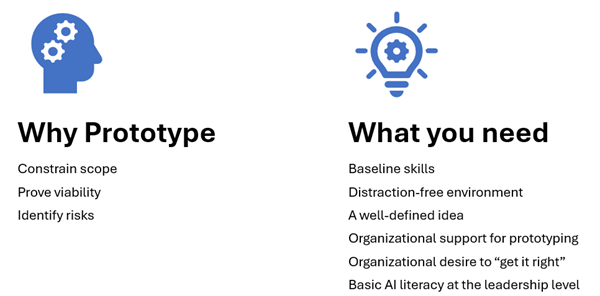
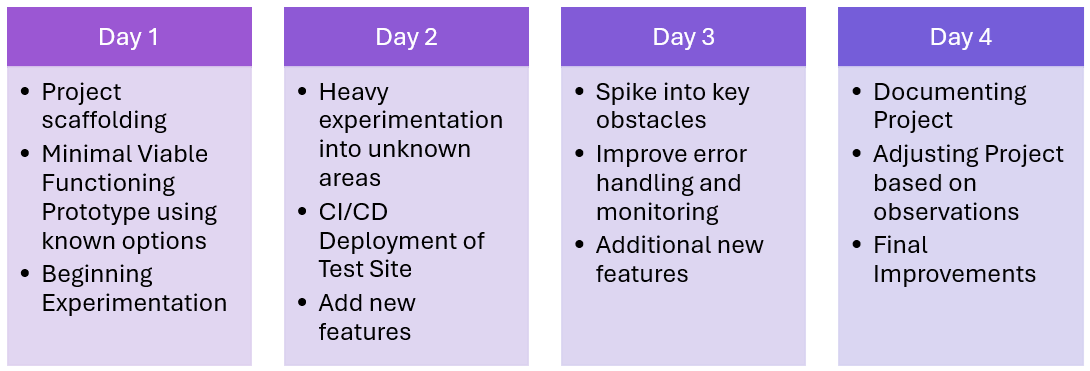
For teams just starting out, the AI Prototyping series offers a structured approach: short-lived builds that demonstrate viability and surface risks before committing to production.
Related Articles
Beyond the Code: Why Your AI Tools Aren’t Making You Faster (and how to fix it)
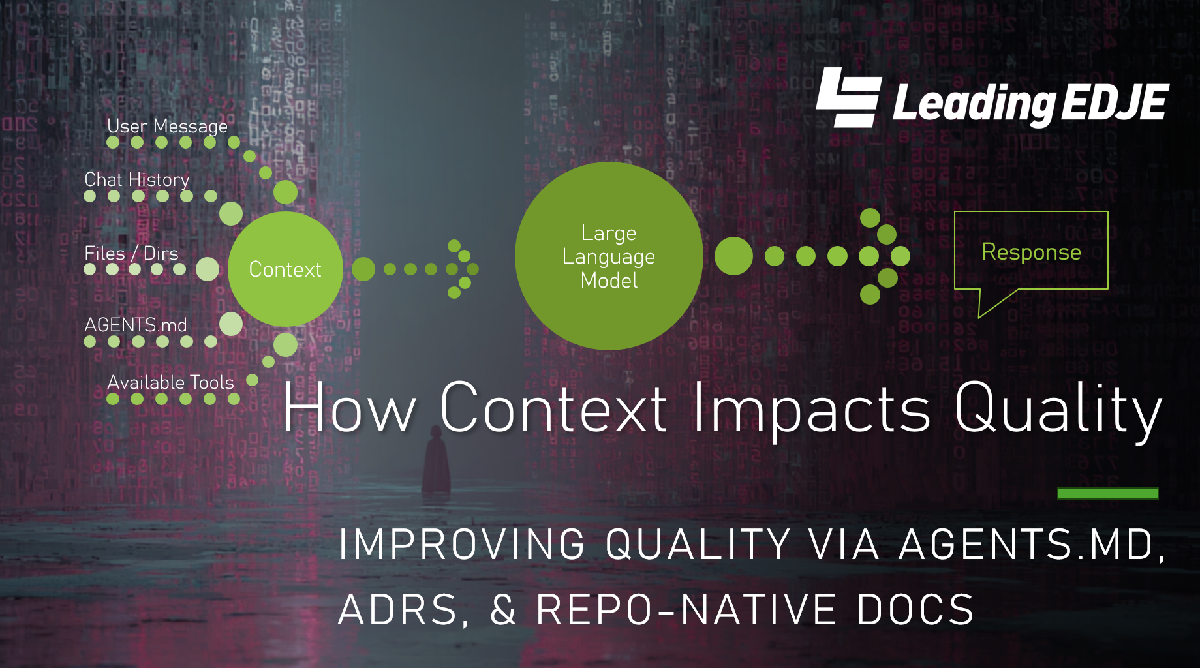
How Context Impacts AI Agent Output
Current Local LLM Favorites

Agentic AI Tools & Resources for Senior Developers

Teaching an AI to Build Software
The Copilot Experiment
16 Tips for Writing AI-Ready C# Code
An LLM Evaluation Framework for AI Systems Performance

Microsoft Build 2025 Wrapped
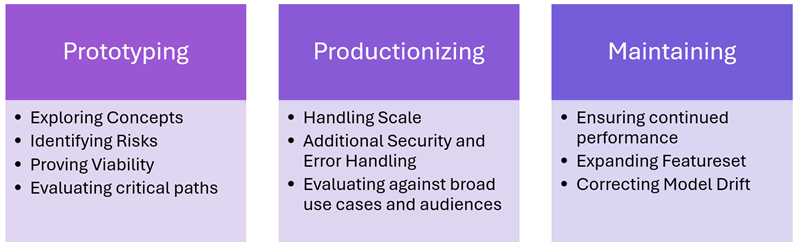
Concluding AI Prototyping Projects
Identify Unknowns, Weaknesses, and Risks in AI
Running AI Prototyping Projects
Launching AI Prototyping Projects