Building AI Agents
How to architect, build, and evaluate AI agent systems using orchestration frameworks, protocols like MCP and A2A, and RAG pipelines.
What Does It Take to Build an AI Agent?
An AI agent is more than a chat prompt — it is an application that combines an LLM with orchestration logic, external tools, and domain data to pursue goals through multi-step reasoning. Building one means choosing an orchestration framework, connecting data sources, defining tool interfaces, and establishing feedback loops that keep the agent grounded.
Building a Digital Dungeon Master with Semantic Kernel shows the full pattern in practice: plugins expose game-state data, prompt strategies guide the LLM, and the orchestration layer ties everything together. MCP and A2A: Two bright modular futures for AI explains the open protocols that standardize how agents access tools (MCP) and collaborate with other agents (A2A), making these systems composable rather than monolithic.
For data-grounded agents, Document Search in .NET with Kernel Memory covers the RAG pipeline — ingestion, vector indexing, and search — that lets agents answer questions from real documents rather than relying on training data alone.
Why It Matters
Shipping a reliable agent requires more than a working prototype. Our reference architectures lay out production patterns for website chat agents, AI-augmented developer tooling, and team-wide AI portals — covering security boundaries, model selection, and integration points that prototypes typically skip.
Evaluation closes the loop. An LLM Evaluation Framework for AI Systems Performance introduces repeatable metrics for groundedness, retrieval quality, and coherence; AI Evaluation Reports turns those metrics into dashboards the whole team can use; and the promptfoo series (getting started, structured testing) adds prompt-level regression testing. For agents that need to improve continuously, Self-Improving AI Application Architectures demonstrates how an agent can measure its own performance and generate better prompts over time.
Writing AI-ready code and understanding how coding agents operate on your codebase are the practical foundations that make all of this work in a real engineering environment.
Related Articles

Resurrecting 2013 with Qwen3.8 27b
Shifting Left with Agentic Development
Self-Improving AI Application Architectures
Tracking AI system performance using AI Evaluation Reports

Add Structured Testing to Your AI Vibe - with promptfoo

Automate the testing of your LLM Prompts - with promptfoo
Coding Agents are here: Is your team ready for AI devs?
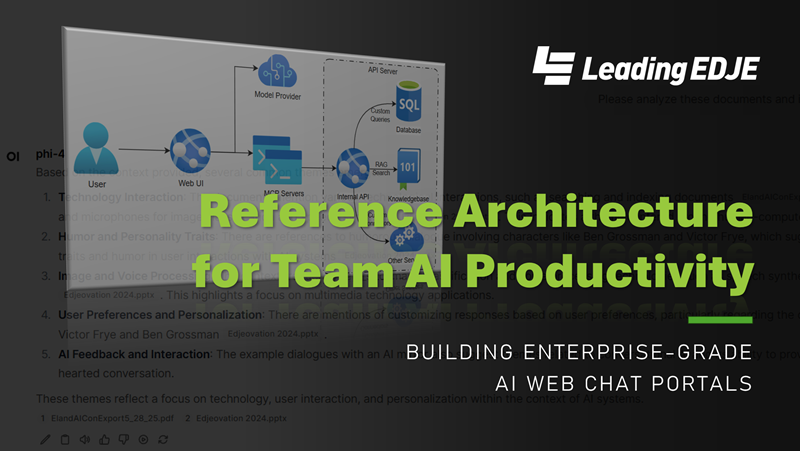
Reference Architecture for Team AI Productivity
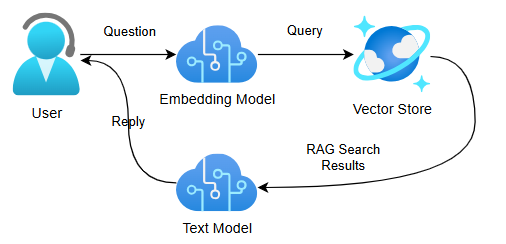
Document Search in .NET with Kernel Memory
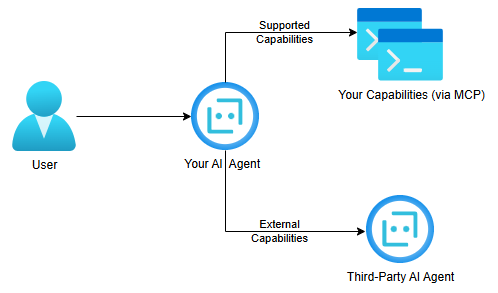
MCP and A2A: Two bright modular futures for AI
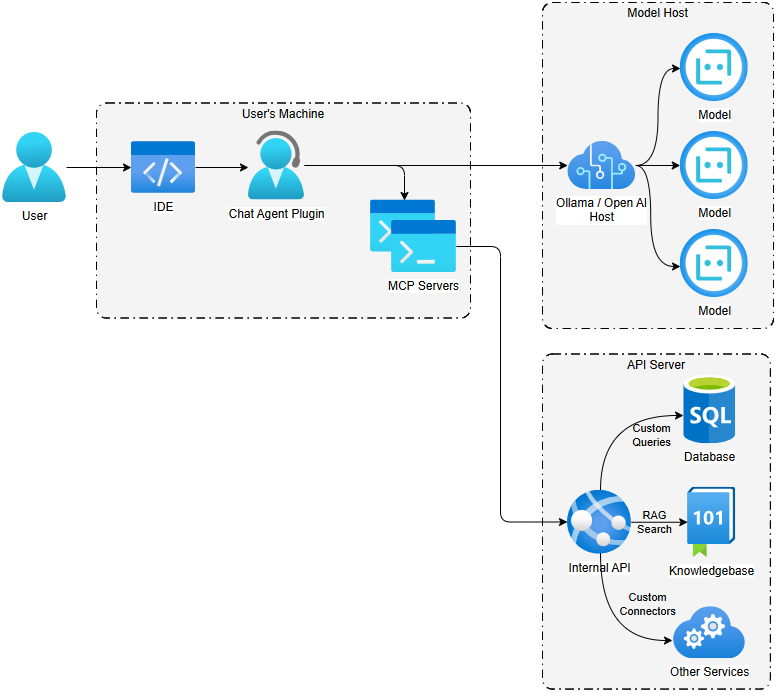
Reference Architecture for AI Developer Productivity
Reference Architecture for Website Chat Agents