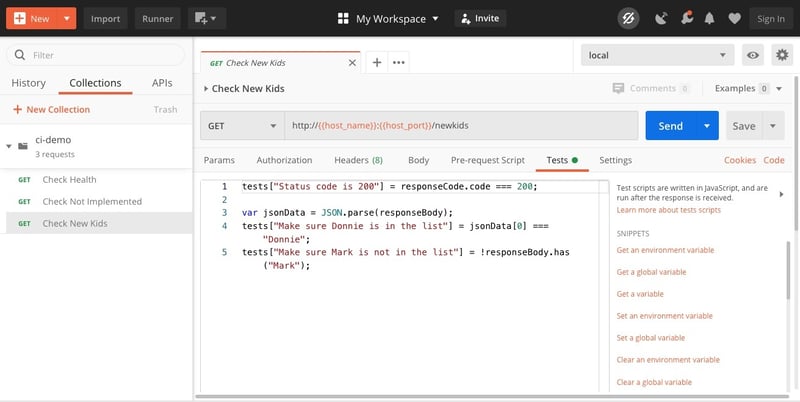
Cloud-Native Development
Containers, automation, and observable services—what cloud-native means for leaders who care about speed, reliability, and cost of change.
What Is Cloud-Native Development?
Cloud-native development means building applications designed for containers, automated pipelines, and observable infrastructure — not just running the old app in the cloud. Multi-Stage Docker Builds: A .NET developer's guide is a hands-on starting point for production-ready Docker images that are small, secure, and fast to deploy.
For .NET teams, .NET Aspire provides a streamlined entry point. The Hello Aspire series — from CLI setup to local environment modeling to dashboard customization — shows how Aspire turns multi-service applications into something you can develop, debug, and deploy with confidence. Aspire Roadmap 2025: Code-first DevOps, polyglot, and AI covers where the framework is headed, and Reviewing Aspire.JS: Current state of Aspire for JavaScript gives an honest read on the cross-platform story.
Why It Matters
Cloud-native practices deliver predictable outcomes: fewer environment surprises, faster recovery, and clearer ownership between build and operate. Chaos Engineering: Breaking Things On Purpose makes the case for proactive resilience, and The Critical Role of Automated Dependency Scanning in the Modern Software Development Lifecycle covers supply-chain safety. From Dev to DevOps charts a developer-to-DevOps learning path that starts from skills you already have — not from scratch with unfamiliar tooling.
On the container side, EF Core Migrations In Docker shows how to package database migrations as portable Docker containers, and Docker Desktop to Podman helps teams navigate licensing changes without losing productivity.
Related Articles
Why Gitflow Is a Legacy Trap
EF Core Migrations In Docker
Docker Desktop to Podman

Cozy Aspire Dashboarding
From Dev to DevOps
Reviewing Aspire.JS: Current state of Aspire for JavaScript
Aspire Roadmap 2025: Code-first DevOps, polyglot, and AI
Local Friendly .NET Aspire: Modeling your local environment
Adding .NET Aspire: A command line user's guide

Chaos Engineering: Breaking Things On Purpose
The Critical Role of Automated Dependency Scanning in the Modern Software Development Lifecycle
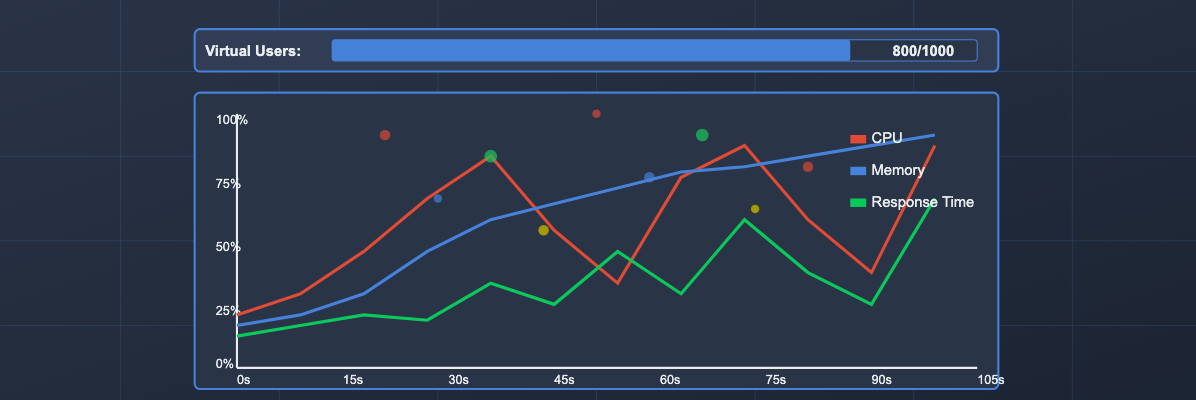
Open-source Load Testing
Multi-Stage Docker Builds: A .NET developer's guide
Hello .NET Aspire: Breaking down the key features

The Costly Aftermath: The Financial Implications of a Code Freeze

Masking Input Parameters in GitHub Actions